


***
When Yang reaches its peak, it begins to wane, allowing Yin to flourish; when Yin reaches its peak, it also begins to wane, allowing Yang to flourish… Understanding this principle of “Yin and Yang mutually yielding,” of rise and fall alternating, means that in times of peace one does not forget that danger may come; in times of stability, one does not forget that loss may come; in times of order, one does not forget that chaos may come. In this way, the self remains safe and the nation endures.
I Ching (Book of Changes)
***
In his book I Ching – The Way of the Gentleman, scholar Nguyễn Hiến Lê commented on the I Ching as follows:
“The guiding principle of all things under heaven is simply to bring what is not Centered back to Center, and what is not Righteous back to Righteousness.”
Righteousness does not merely mean being upright; it also means being in accordance with justice and the Way. Yet the I Ching holds that Righteousness is not as noble as Centeredness, for where there is Centeredness there is also Righteousness, but Righteousness does not necessarily imply Centeredness. Centeredness means having measure: “Heaven and Earth have their measure, and thus the four seasons come to be,” allowing all things to flourish. Measure is also the law of balance — the sun does not shine too much, the rain does not fall too much; sun and rain, warmth and cold must alternate to harmonize the climate…
The Way of Heaven: “What is full, it diminishes; what is lowly, it supplements” — all of this is simply to bring all things into balance and equilibrium, that is, to attain Centeredness…
Righteousness and Centeredness are both contained within the word
The entire I Ching can be summed up in the single word Time. Follow the Time while preserving Centeredness and Righteousness. Grasp that law, and one can respond to the ten thousand changes of life (with the unchanging, respond to the ever-changing).
We shall know when to be firm, when to be yielding; when to advance, when to retreat; when to act, when to be still; when to concede, when to press forward. Gain is not always good — one must know when to gain, what to gain, and for whom; loss is not always bad — lessening one’s own faults is beneficial, and diminishing the wealth of the rich to benefit the poor is good; reform is good only when it is timely; and even the virtue of good faith must know how to adapt and transform to be truly good.
To know how to follow the times is exceedingly difficult; one must be calm and impartial, clear-sighted, and possessed of wisdom. The I Ching values both virtue and wisdom. It teaches us self-strengthening, perseverance, and never neglecting the cultivation of the self — refining one’s virtue and talent a little more each day, advancing always so that when the time comes one may serve the nation, never abandoning responsibility, yet never seeking fame or gain.”
With the Unchanging, Respond to the Ever-Changing
Sun Tzu said: “Know others and know yourself, and you will win every battle; know the heavens and the earth, and your victory will be complete.”
A project goes through many stages—from preparation to completion and operation. Each stage unfolds within a specific timeframe and spatial context, influenced by the socio‑economic conditions of the country and the geopolitical situation of the region and the world. Each stage contains many tasks, and each task involves stakeholders with their own perceptions, interests, concerns, and characteristic ways of thinking and acting.
Changes in the attitudes or behavior of stakeholders, or their interventions; changes in work requirements; changes in laws and regulations; shifts in geopolitical tensions; or natural disaster events — all can affect the project, from minor and manageable to complex and unpredictable.
Therefore, projects rarely unfold exactly as planned. Insisting on restoring the original schedule and delivering the exact initial scope, quality, cost, and timeline may become unrealistic and may even limit the project team’s ability to identify optimal solutions.
Instead of clinging to the original delivery targets, focusing on the value and benefits the project can bring to key stakeholders opens more space for negotiation, alignment, and feasible solutions.
So throughout the ever-changing lifecycle of a project, how do we “Follow the Time while preserving Centeredness and Righteousness”?
How do we determine which values and benefits matter most to stakeholders when circumstances change? How do we see the true nature of a problem? How do we think clearly, choose the right solution, and act correctly? How do we remain steady in the face of challenges? And how do we stay happy while working on a project?…
Project management knowledge is vast, and methods and tools are abundant. But how do we absorb what is suitable, turn it into practical competence, and apply it effectively to daily project challenges?
Buddhism offers the Noble Eightfold Path, which can be applied as timeless principles to navigate the countless changes in project work.
The Eightfold Path as a Framework for Project Work
For practical application, we can understand the Eightfold Path as eight practices:
- Right View: seeing reality clearly, without bias
- Right Thought: thinking correctly and thoroughly
- Right Speech: speaking truthfully and beneficially
- Right Action: acting ethically and professionally
- Right Livelihood: earning a living in a just and harmless way
- Right Effort: being diligent and persistent
- Right Mindfulness: being attentive to one’s actions
- Right Concentration: focusing the mind on what is true and meaningful
According to Zen Master Thích Nhất Hạnh, these eight practices are interrelated and interdependent —each is both the cause and the effect of the others. According to the principle of dependent origination, there is no first cause; nothing is purely a cause or purely an effect. A single cause is never sufficient to produce an effect; many causes must come together to create one effect. Each phenomenon arises from the combination and expression of all other phenomena, and each thing is present within all other things. We may begin with the practice of Right View first, then the other practices become both the cause and the effect of Right View.
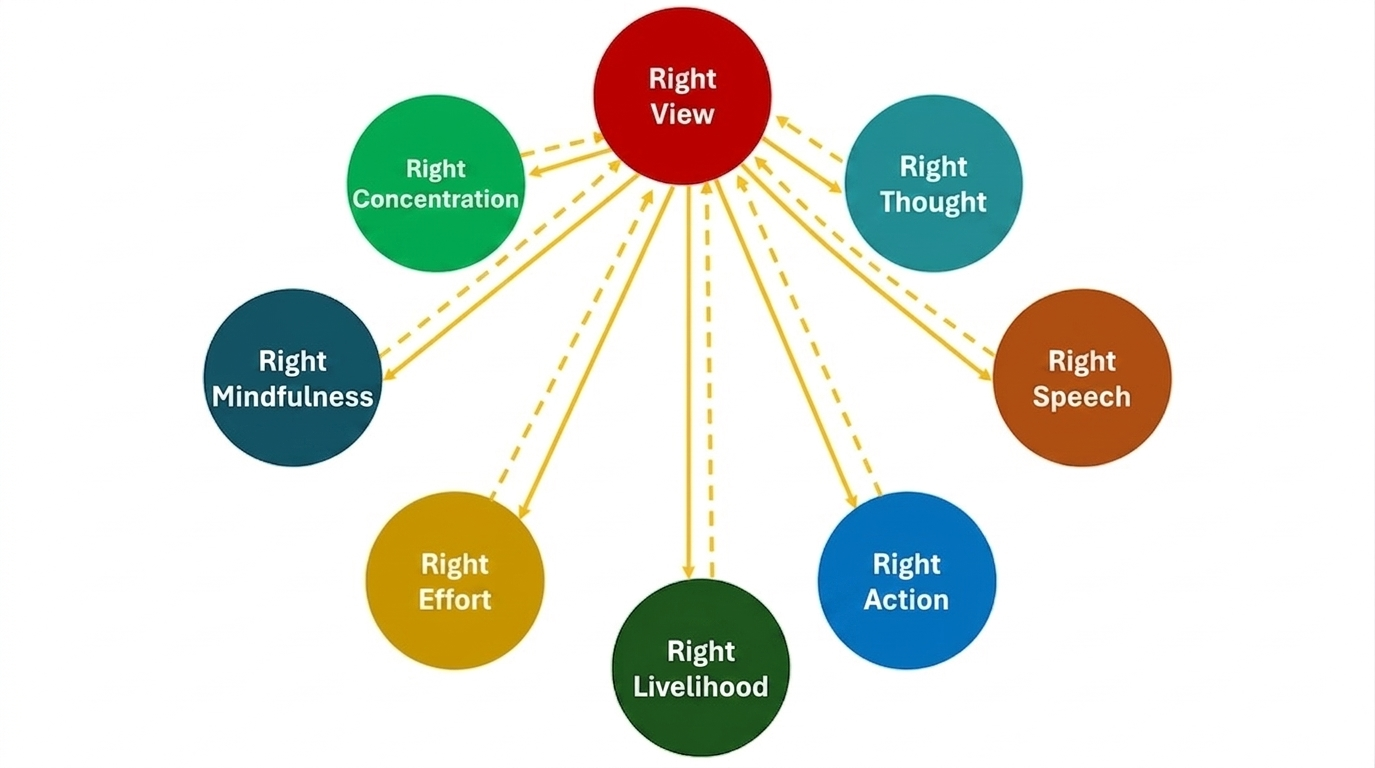
Figure 1. The Noble Eightfold Path (source: langmai.org)
Right View: Seeing the Project as It Truly Is
Confucius said: Observe widely; if something appears harmful or uncertain, set it aside and do not act on it; as for what you have considered carefully and found to be sound and reliable, act on it with caution — in this way you will certainly reduce much cause for regret.
We see the project as a system composed of many components, yet we also see the project expressed within each individual component. We see the project evolving over time, within cause-and-effect relationships, interacting with many stakeholders, and we perceive the lag between our own perception and our actions.
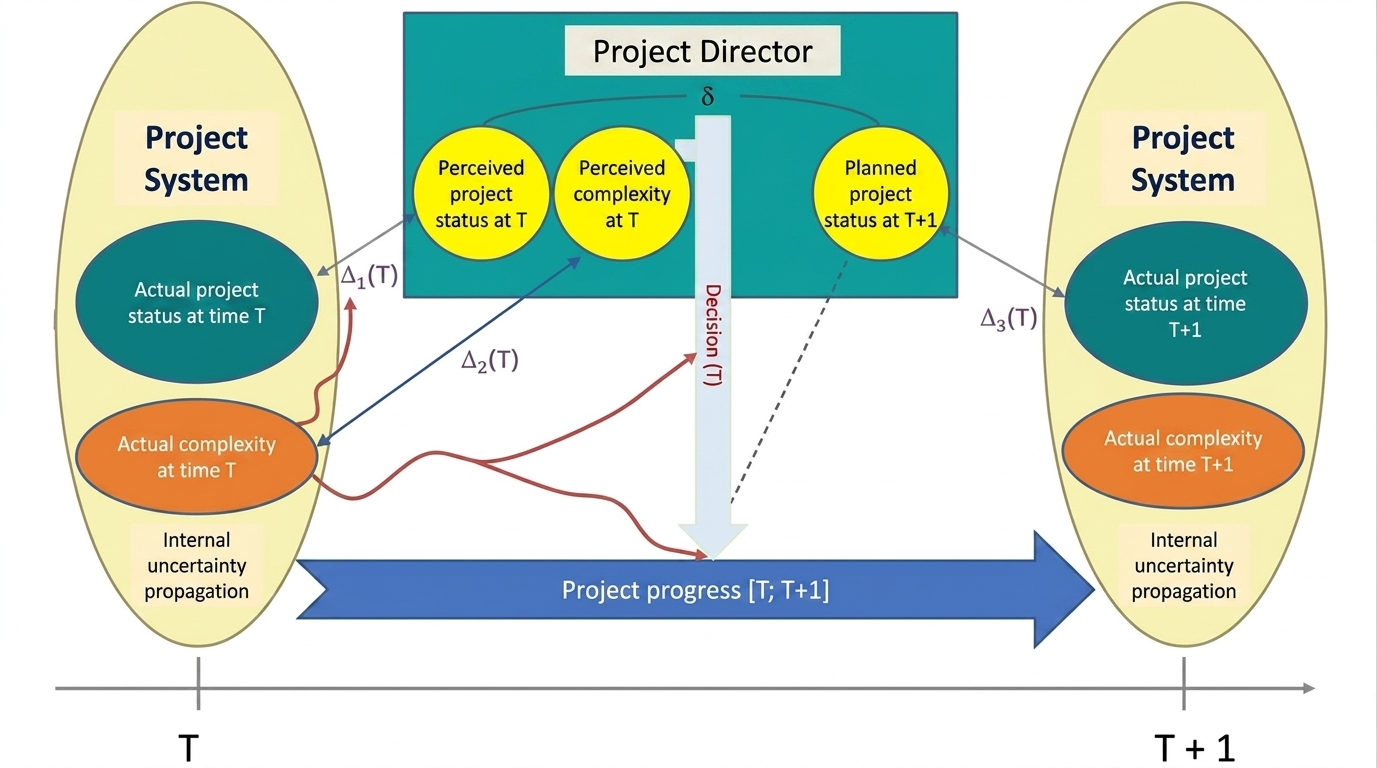
Figure 2. Seeing the project’s evolution over time
We see project problems and their root causes without being clouded by our own biases. We see the project as “ours”—dependent on our presence and contribution—but also “not ours,” because it depends on the decisions and contributions of many others. Success or failure is the result of collective karma.
Correctly seeing the truth of the project comes from regularly cultivating professional ethics; deepening knowledge without treating it as absolute truth, for we know we can be wrong; joining professional associations in project management to broaden our perspective, embrace multiple viewpoints, and encounter good practices.
Excerpt from the book: “Project Management: True Understanding and Genuine Action”